Device platform · design stage
One contract for
personal hardware.
Every wearable exposes a different surface, a different auth model and a different idea of what a screen is. Glance turns that into data: each class of device declares what it can do, and a fixed vocabulary of interactions resolves against the declaration.
Personal hardware speaks nine
different dialects. Glance is
the contract that lets one
system talk to all of them —
without caring which watch,
ring or lens is listening.
A device declares what it can
do. The vocabulary resolves
against that declaration.

Support is derived, never
hand-maintained.
Design stage The contract is ratified and published below. Nothing is deployed to hardware yet, and no device integration is running in production.
The finding that decides everything
One field separates hardware you can build on from hardware you can only admire.
Every device in the assessment falls on one side of a single line: can server-side code reach it, or does reaching it require a native mobile app? This is not a detail of the integration. It decides whether there is an integration.
reachable_from: server
The device is reachable from ordinary server-side code. No mobile app, no app store, no second codebase to maintain. An integration is a service next to everything else you already run.
10 of 21 assessed devices
reachable_from: phone-app-only
Reaching the device means building and shipping a native iOS or Android app first. Best-in-class hardware lands here, and it stays out of reach until someone writes and maintains that app.
11 of 21 assessed devices
The consequence is uncomfortable and worth stating plainly: the best display hardware currently on sale is on the wrong side of this line, and no amount of specification changes that.
The contract · profile schema v1
A profile is data. Adding a device means writing one.
A profile declares what a class of device can do and how to reach it — transport, auth, capabilities, budgets, delivery. It is not code, and it is not a driver. Adding a device means writing a profile, and only writing an adapter if the transport is genuinely new.
transport:
  kind: cloud-sdk
  reachable_from: server

auth:
  kind: pat
  refresh: none
  entitlement: ""

capabilities:
  display:
    lines: 6
    chars_per_line: 32
    images: false
  input:
    events: [tap, swipe]
  audio:
    in:  { raw: true, rate: 16000 }
    out: null
  camera: null
  sensors: []

budgets:
  battery_class: hours
  offline: cache-required

delivery:
  push: true
Three fields carry most of the weight
- transport.reachable_from
- Server, or phone-app-only. One field encodes the whole architectural constraint, and it is why the exclusion above needs no special case anywhere in the code.
- auth.refresh & auth.entitlement
- Some vendors return a new refresh token on every refresh, so token state must survive a restart. Others gate API access behind a subscription, so a lapsed membership presents as a broken job rather than an auth error. Both are facts about the device, not trivia about the implementation.
- budgets.battery_class
- What the platform’s own load costs, never the vendor’s claim. A headline two-day figure that means hours under display, radio and microphone together belongs in the profile as hours.
The vocabulary
Eight interactions. You write against these, never against a device.
Each one names a capability it requires. A device supports an interaction if and only if its profile satisfies that requirement — so support is derived, never maintained by hand. Write a profile for a new gadget and everything it can do works the same day.
-
card.pushto devicePut a short piece of content in front of the wearer.
requires a display
-
card.ackfrom deviceThe wearer acknowledges. This is what makes seen different from sent.
requires any input event
-
choice.promptround tripAsk a question with a small number of answers, and get one back.
requires a display and any input event
-
lesson.deliverto deviceA sequenced, resumable series of cards. Advance, pause, pick up where it stopped.
requires a display and at least one input event
-
capture.start / stopfrom deviceRecord what the wearer says, bounded by an explicit start and stop.
requires audio input
-
speakto deviceSay something out loud, in the wearer’s ear.
requires audio output
-
reading.syncfrom devicePull the day’s measurements on a schedule.
requires at least one sensor reading type
-
frame.requestround tripCapture what the wearer is looking at, on an explicit trigger.
requires a camera
Capability resolution
Support is computed, not declared.
Every cell below is the output of the resolution rules run against the profiles in this page’s own source. Nothing here was typed in by hand. Change a profile and the table changes with it — which is the claim being made, so it had better be true of the page making it.
| Interaction | Even Realities G2 Server-reachable display terminal | Meta Ray-Ban Display Phone-app-only | Oura Ring Pure-sensor vendor API | Whoop Strap Pure-sensor vendor API |
|---|---|---|---|---|
card.push | supported | not server-reachable | no display | no display |
card.ack | supported | not server-reachable | no input events | no input events |
choice.prompt | supported | not server-reachable | no display | no display |
lesson.deliver | supported | not server-reachable | no display | no display |
capture.start / stop | supported | not server-reachable | no audio input | no audio input |
speak | no audio output | not server-reachable | no audio output | no audio output |
reading.sync | no sensor readings | not server-reachable | supported | supported |
frame.request | no camera | not server-reachable | no camera | no camera |
| Interaction | Even Realities G2 Server-reachable display terminal | Meta Ray-Ban Display Phone-app-only | Oura Ring Pure-sensor vendor API | Whoop Strap Pure-sensor vendor API |
|---|---|---|---|---|
card.push | D1 paginate | not server-reachable | no display | no display |
card.ack | supported | not server-reachable | no input events | no input events |
choice.prompt | D1 paginate | not server-reachable | no display | no display |
lesson.deliver | D1 paginate | not server-reachable | no display | no display |
capture.start / stop | supported | not server-reachable | no audio input | no audio input |
speak | no audio output | not server-reachable | no audio output | no audio output |
reading.sync | no sensor readings | not server-reachable | supported | supported |
frame.request | no camera | not server-reachable | no camera | no camera |
Switch the card height. At six lines everything the reference device can show, it shows. At eight it no longer fits — and rather than failing, three interactions drop to degraded and paginate. Nothing in the table was edited to make that happen.
Read the second column. It is uniformly unsupported, and no rule anywhere names that vendor. One declared field did all of it. That is the test of whether an abstraction is doing real work: the awkward case falls out of the rules instead of being special-cased around them.
Degraded is a result, not a failure. Six lines of content on a four-line display renders in two frames. A device with no server-to-device push gets the same card pre-pushed into its cache on its own poll cycle. The interaction still happens; the profile decides how.
The landscape · assessed 13 August 2026
24 devices, sorted by whether you can actually build on them.
Vendor developer documentation read directly, one question asked of each: can server-side code reach this without a native mobile app in the chain? Not a review. Nothing here says whether the hardware is any good — only whether it is reachable, and what will bite you if it is.
Display glasses
Does well The only category that puts text in your eyeline without occupying a hand.
Does badly Nothing runs on the glasses. On every available platform they are a display-and-sensor terminal, and the code lives somewhere else.
-
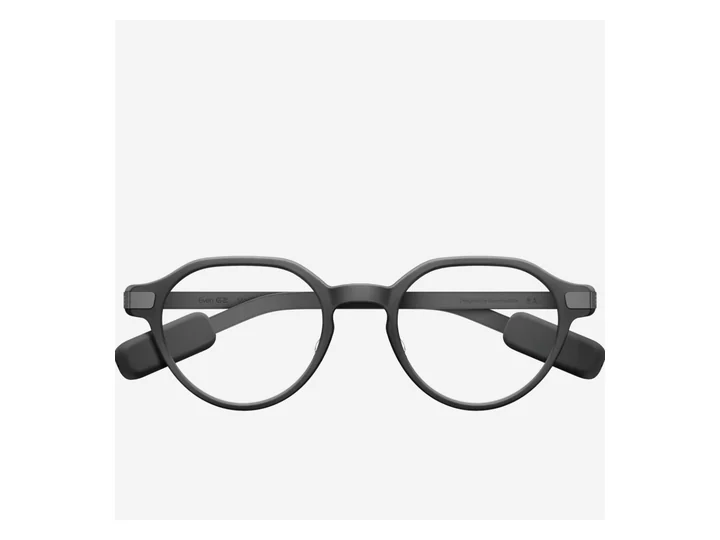
Product image © Even Realities Even Realities Even Realities G2Server-reachableMentraOS cloud SDK — display, microphone, touch gestures, battery, brightness
MentraOS apps run in the cloud with a low-latency link to the hardware. That means the app is an ordinary server-side service, with no mobile development and no app store.
The catch The two-day battery figure is a notification duty cycle, not a load figure. Reviewers report around five hours on a heavy day, and nobody has published a test of display, Bluetooth and microphone running concurrently — which is exactly the load an always-on integration imposes.
A$1,199 MentraOS audio chunks -
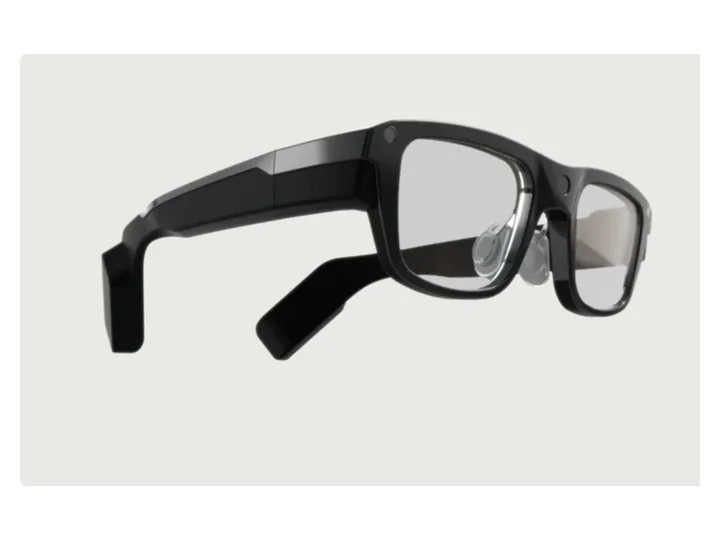
Product image © Vuzix Vuzix Z100Server-reachableSupported by MentraOS alongside the Even Realities line
Inherits the MentraOS architecture, so the same server-side path applies.
The catch Australian pricing and availability not established in this pass.
-
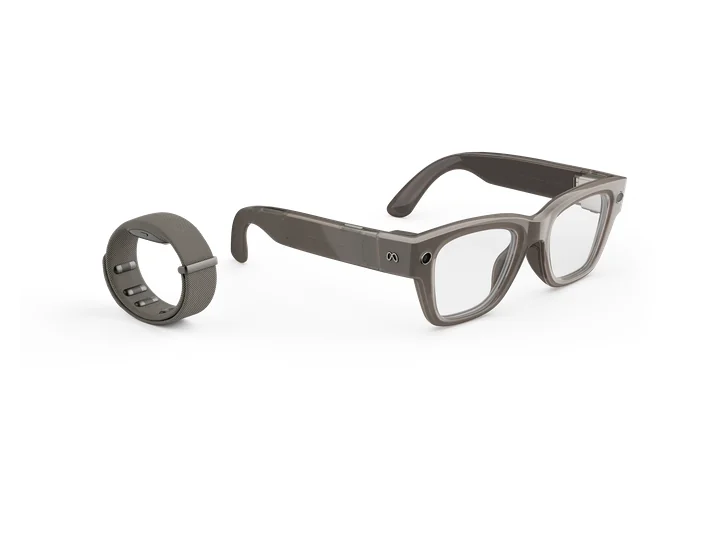
Product image © Meta Meta Ray-Ban DisplayPhone app onlyWearables Device Access Toolkit — text, images, lists, buttons, video
The toolkit opened to third parties in May 2026, and it is explicitly not an operating system for glasses. It lets a native mobile app reach into the display and sensors, so reaching the device from a server means building and maintaining an iOS or Android app first.
The catch Still a developer preview — general distribution through the App Store or Play was not yet possible as of May 2026. So the path requires an app that cannot be shipped, to reach a device only that app can talk to.
Recovery, sleep and readiness
Does well Passive to the point of invisibility — no interaction cost at all, which is the opposite of every other category here. Multi-day to multi-week battery.
Does badly The scores are proprietary composites. A ring is a pure sensor: no display, no input, nothing to write to. On the market leader the data is behind a subscription.
-
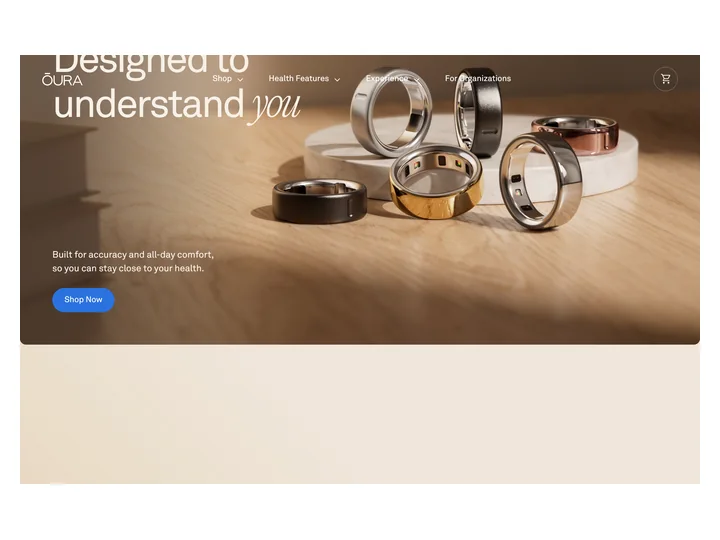
Product image © Oura Oura RingServer-reachablev2 REST plus webhooks. OAuth2 or a Personal Access Token. 50+ metrics including raw heart rate and inter-beat intervals
Best in class for reachability. A Personal Access Token is a single-user credential, so there is no OAuth dance at all — one HTTP node is enough to pull the whole dataset on a schedule.
The catch API access is membership-gated, and this is the expensive detail. Lose the subscription and you lose the API — the hardware keeps working, the integration does not. It presents as a broken nightly job rather than an auth error, so it gets debugged as an integration fault.
A$649–799 plus A$9.99/mo or A$109.99/yr The Oura API -
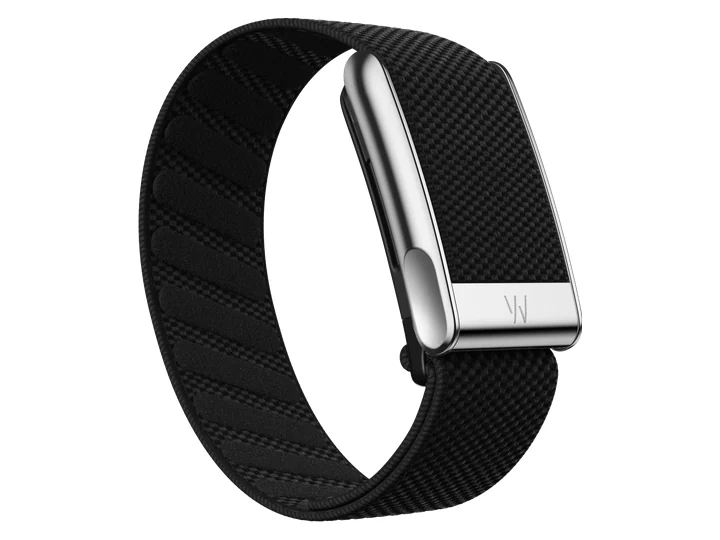
Product image © Whoop Whoop StrapServer-reachableREST, OAuth2 authorization-code only. Scopes read:cycles and read:recovery. 100 requests/min, 10,000/day
Server-reachable, with the caveat that the auth is the expensive part — there is no Personal Access Token equivalent.
The catch Every refresh returns a NEW refresh token. Token state has to be persisted to durable storage and survive a process restart. Holding it in config works right up until the first restart, after which the integration is dead and cannot re-auth without a human repeating the OAuth flow.
-
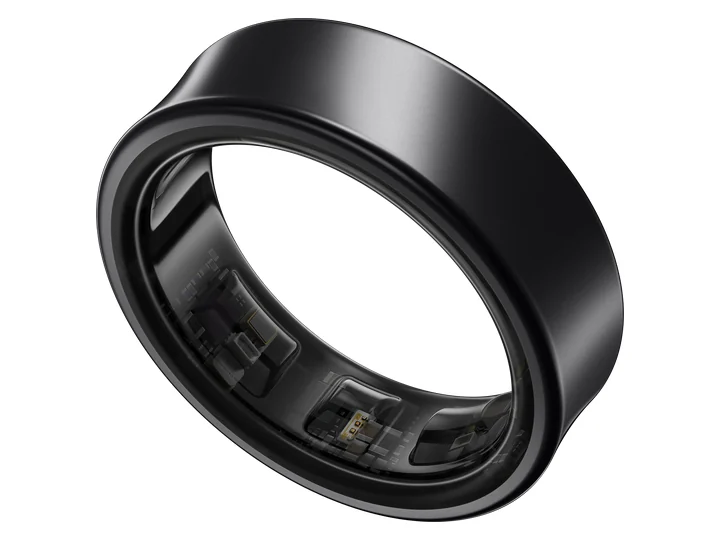
Product image © Samsung Samsung Galaxy RingPhone app onlyHealth Data SDK
Galaxy Ring APIs are not exposed to third parties, and the SDK is on-device Android.
- Garmin Health APIClosed to new access
All-day metrics, sleep stages, stress, HRV
Business use only, through the Partner Program, and the Connect Developer Program is not accepting new applications.
The catch Connect IQ is a separate and genuinely open program — see the wrist category. Two different Garmin programs, and only one of them is open. Confusing them costs an afternoon.
-
Product image © Ultrahuman Ultrahuman Ring ProNot assessedNot established
In the field and read for positioning only. The API surface was not assessed, because the category verdict did not turn on it.
-
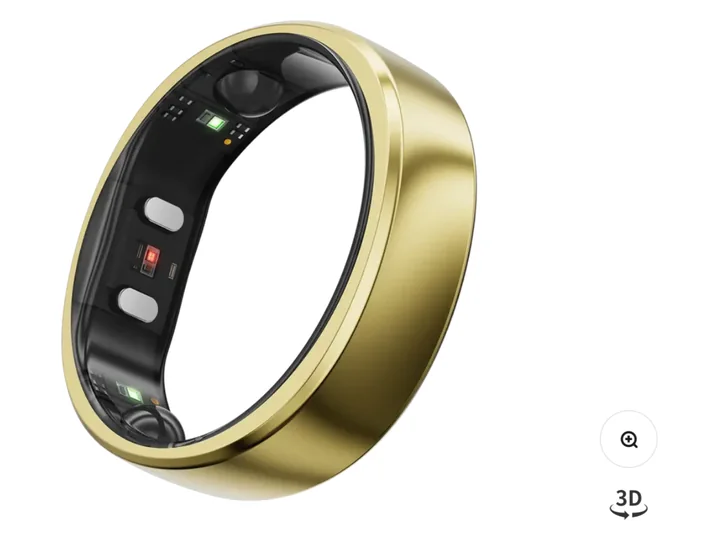
Product image © RingConn RingConn Gen 2Not assessedNot established
In the field and read for positioning only. The API surface was not assessed.
-
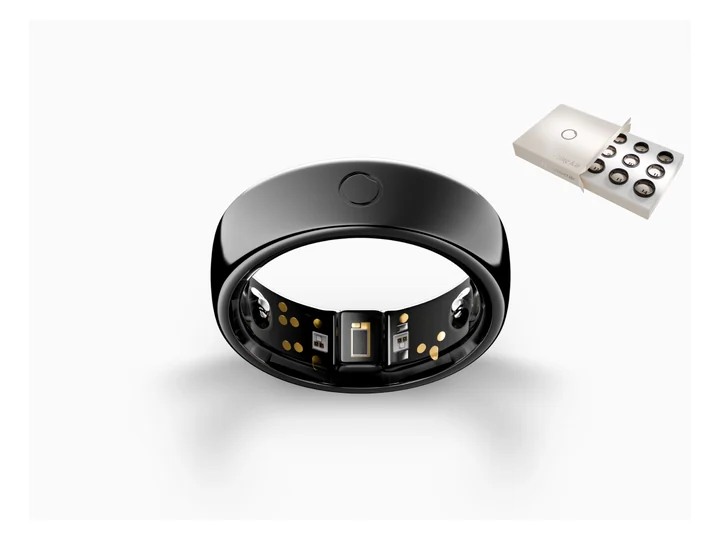
Product image © Circular Circular Ring 2Not assessedNot established
In the field and read for positioning only. The API surface was not assessed.
Voice capture and recorders
Does well Room capture — the one thing glasses cannot do, because their microphone arrays are built to isolate the wearer and suppress everyone else.
Does badly Social and legal friction is the whole problem. A device that records the other side of a conversation needs consent in a way a notification display never does.
- Limitless PendantServer-reachable
Seven REST endpoints including raw audio download as Ogg Opus, up to two hours per request. Plain X-API-Key header. 180 requests/min. Hosted MCP server
The strongest documented read path in the entire assessment. Key auth plus REST plus raw audio download means a scheduled job can hold the whole corpus with no mobile app anywhere in the chain.
-
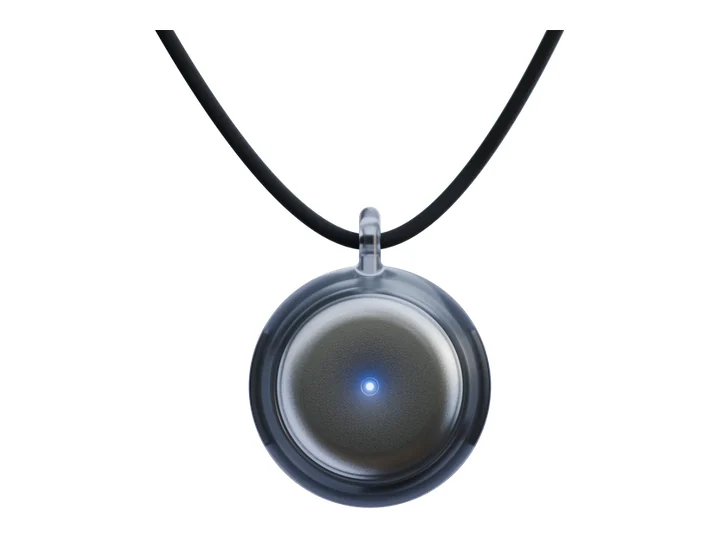
Product image © Omi Omi Dev Kit 2Server-reachableOpen source, open hardware, local processing
The only sovereignty option in the category. Explicitly built to bypass the proprietary cloud and run processing locally, which makes it the one device where you can hold the audio end to end.
~US$89 Omi -
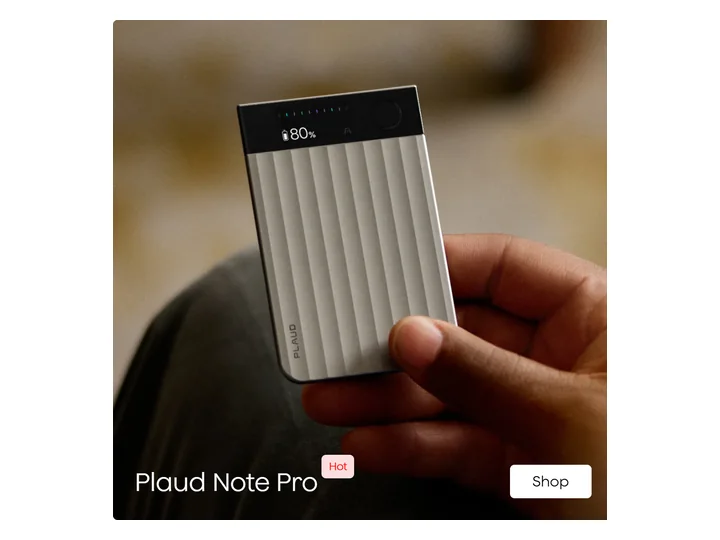
Product image © Plaud Plaud Note / NotePinNo public APIVendor MCP and CLI. Manual export as TXT, SRT, JSON
Best device in the category, weakest personal programmability. There is no public personal API — the Developer Platform is a business motion for putting Plaud capture inside someone else’s product.
The catch The MCP and CLI need no API key and no waitlist, but there is also no documented contract to build against. Fine for a person, not something to found a pipeline on.
-
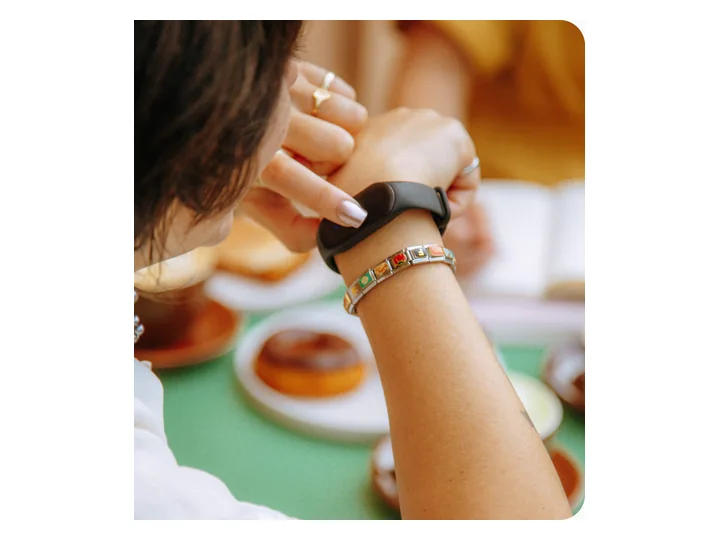
Product image © Bee / Amazon Amazon BeeNo public APINo personal API surfaced
Acquired by Amazon in July 2025 and shown at CES 2026 on the Alexa roadmap. Cheapest way into the category, and the most captured by a platform.
US$49.99 Why Amazon bought Bee
Audio wearables, no display
Does well Audio in and out at essentially zero social cost. Live translation and speech enhancement shipped here first.
Does badly Every answer must be spoken. Audio is a poor channel for lists, numbers, and anything you want to re-read.
-
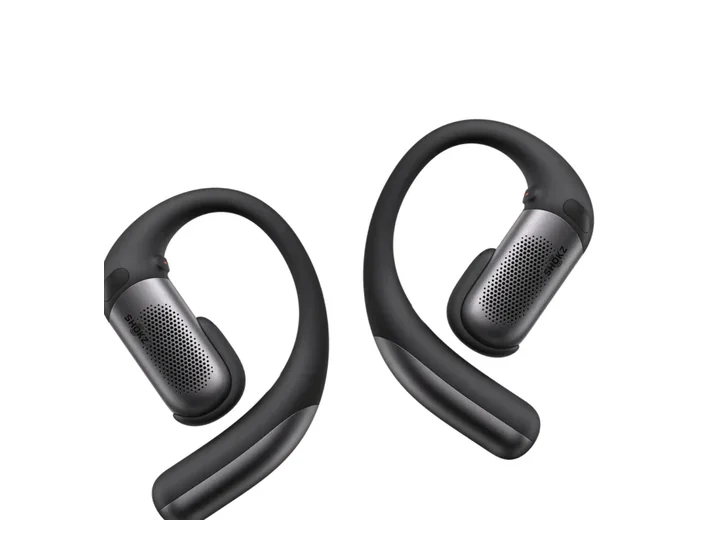
Product image © Shokz Shokz and similar Open-ear earbudsServer-reachableNone. A Bluetooth audio sink
The un-glamorous finding, and the most immediately useful one. Ordinary open-ear earbuds have no API at all, which makes them the one output channel reachable today: server-side text-to-speech, the phone as a Bluetooth relay, and any audio device renders it. Zero integration, zero new platform.
The catch It is not an eyes-up interface and it never will be. It is worth knowing that it costs nothing to test whether the idea is any good before buying the form factor.
-
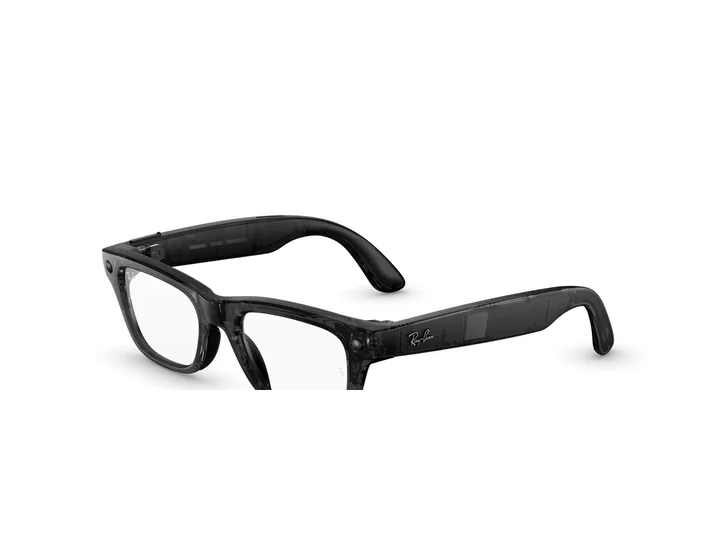
Product image © Meta Meta Ray-Ban Meta Gen 2Phone app onlyDevice Access Toolkit covers camera and audio via the mobile SDKs
Same architecture as the Display model — the SDK path needs a native app that cannot yet be shipped.
The catch Two-way voice runs over HFP at 8 kHz mono, telephone quality. The microphone array beamforms toward the wearer and significantly reduces ambient sound and other speakers. Correct for dictation, wrong for minuting a meeting.
-
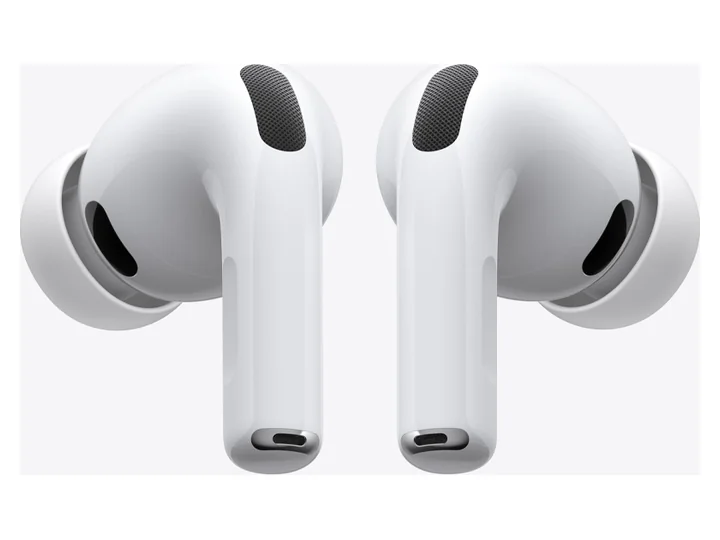
Product image © Apple Apple AirPodsNo public APILive Translation, in-ear, with a transcript in the app
No third-party API. Apple is reported to be building an accessory-pairing API that would cover third-party hardware, but pairing is not data.
Neural and gesture input
Does well Solves input, which the display category barely addresses. Silent, invisible, hands-down-at-your-side control.
Does badly No standalone hardware and no standalone SDK. Events reach a phone, not a server.
-
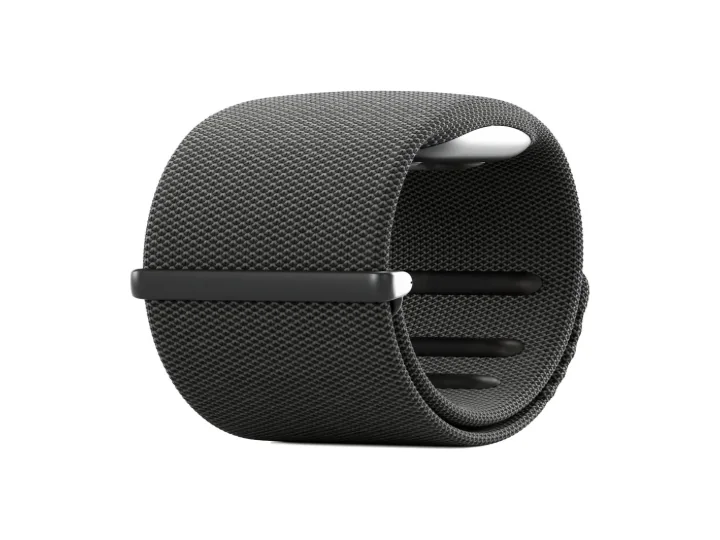
Product image © Meta Meta Neural BandPhone app onlysEMG wristband. Scroll and click today, text entry stated as near-term
Reads forearm muscle signals and turns micro-movements into discrete input events — silent, invisible, hands-at-your-side input. It solves the half of the problem the display category barely touches.
The catch Bundled to Meta’s stack. No standalone band, no standalone SDK, no way to use it as a generic input device for someone else’s app. It inherits the same architecture problem: events reach a phone, not a server.
On-wrist app platforms
Does well Inverts the finding above: a Connect IQ app in Monkey C genuinely runs on the device, fetches JSON from any web service, and writes to the display.
Does badly No documented server-to-device push for custom apps — the app polls, so refresh cadence trades directly against battery.
- Garmin Connect IQServer-reachable
Monkey C apps that run on the device. Toybox.Communications.makeWebRequest fetches JSON from any web service; Toybox.Notifications writes to the display
The one platform where third-party code genuinely runs on the hardware. A widget covers six lines of text, a button to advance, and a pre-pushed cache — on hardware in the A$300–700 band, or hardware you already own.
The catch No documented server-to-device push for custom apps, so the app polls and refresh cadence trades against battery. Monkey C is a niche language with niche tooling, and distribution runs through the store even for personal use.
-
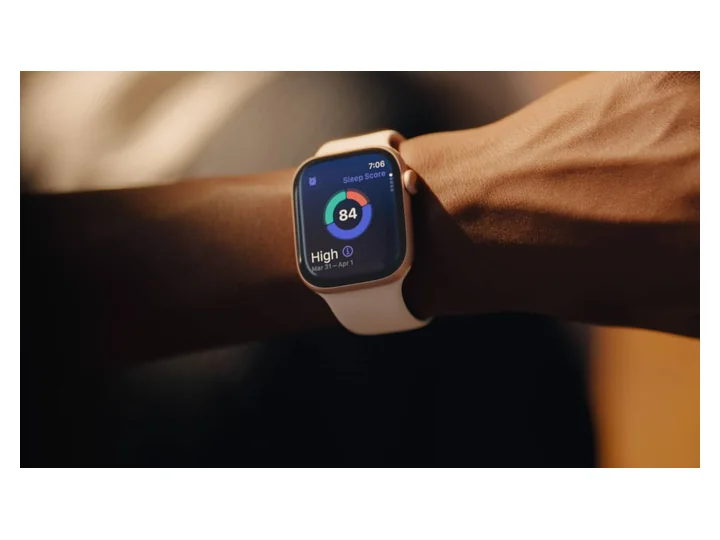
Product image © Apple Apple Apple WatchPhone app onlywatchOS apps, paired to an iOS app
Code runs on the device, but the distribution and data path runs through a paired iOS app and the App Store.
-
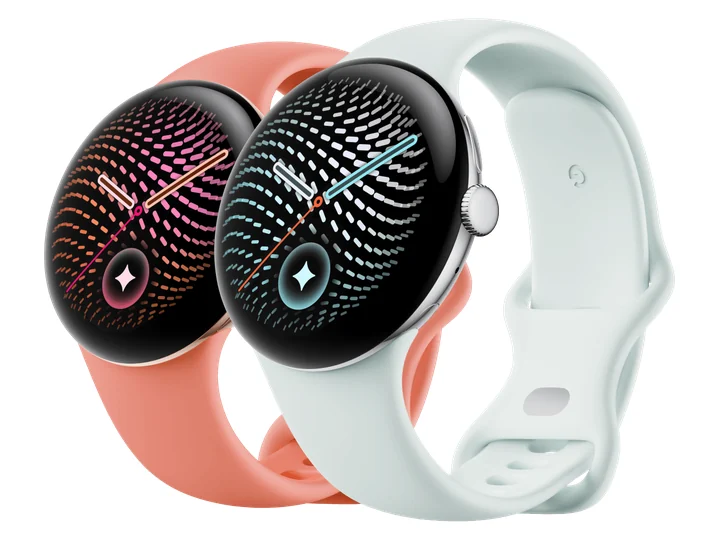
Product image © Google Google Wear OSPhone app onlyAndroid apps on the watch
Same shape as watchOS — real on-device code, reached through a mobile app rather than a server.
The aggregation layer
Does well One integration instead of many, if you have enough users to amortise it.
Does badly Priced for products with a user base. At one person it is thousands a year to avoid writing two OAuth flows.
-
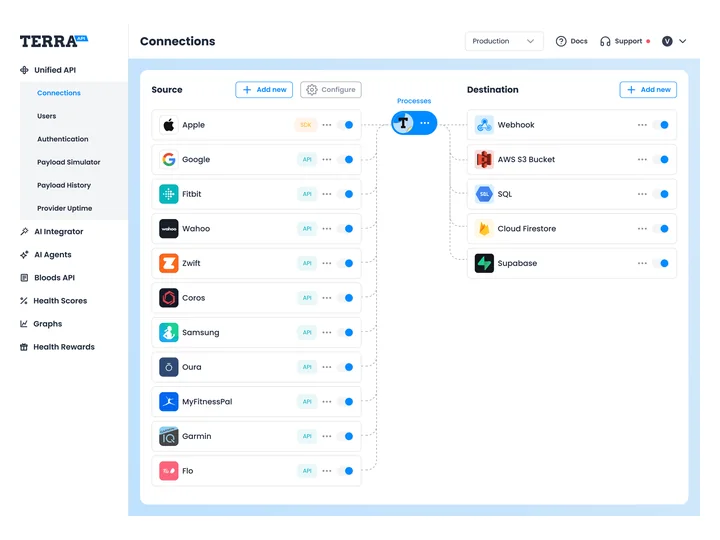
Product image © Terra Terra TerraServer-reachableOne API across many vendor wearables
Genuinely solves the many-vendors problem, and is priced for a product with a user base.
The catch US$399/mo on an annual plan for 100,000 credits, at roughly 200 credits per active user per month. For one person that is around US$4,800/yr to avoid writing two OAuth flows. Direct per-vendor integration wins outright at small scale.
US$399/mo annual, US$499 monthly Terra - Various Rook, Vital, MetriportServer-reachable
Same shape as Terra
Same trade and same arithmetic. They become interesting when a product needs many users’ data, at which point it is a build-versus-buy decision with real numbers attached.
- Apple, Google HealthKit / Health ConnectPhone app only
On-device stores
Reaching either requires a mobile app, which is the same wall as everything else in this survey.
No devices in this category carry that verdict.
What this assessment deliberately did not cover
A landscape with unmarked edges reads as complete when it is not. These are the edges.
- Enterprise and industrial wearables
- Genuinely adjacent for the factory-floor case, and the clearest edge of this pass. The obvious start point for the next one.
- Hearing-aid-class and medical wearables
- ECG patches, sleep apnoea, blood-pressure cuffs. A clinical category with a different regulatory frame.
- VR and MR headsets
- Not a wearable in the all-day sense.
- Hands-on review depth
- Reviews were read for availability and battery behaviour, not to build a purchase shortlist.
- Consent law for always-on recording
- A real constraint on the capture category, and not a technology question. It should be answered before a recorder is used in a meeting, not before one is bought.
Server-reachable Reachable from server-side code. No mobile app anywhere in the chain.
Phone app only Requires a native iOS or Android app to reach the device at all.
Closed to new access A documented API exists, and it is not open to new applicants.
No public API No public programmatic surface for personal use.
Not assessed In the field, deliberately not assessed in this pass.
Working with us
Most hardware integrations fail on the boring question.
Not what the device can do — whether your systems can reach it at all, what happens when the battery figure is marketing, and which vendor gate turns into a silent outage six months in. That is the work this page is a byproduct of.
Talk to us about an integration More from TrendAI
Assessment last reviewed 20 August 2026. Profile schema v1. Corrections are welcome — if a verdict here is out of date, we would rather know.